Small-Space Smart Home Design: Zones, Routines, Less Clutter
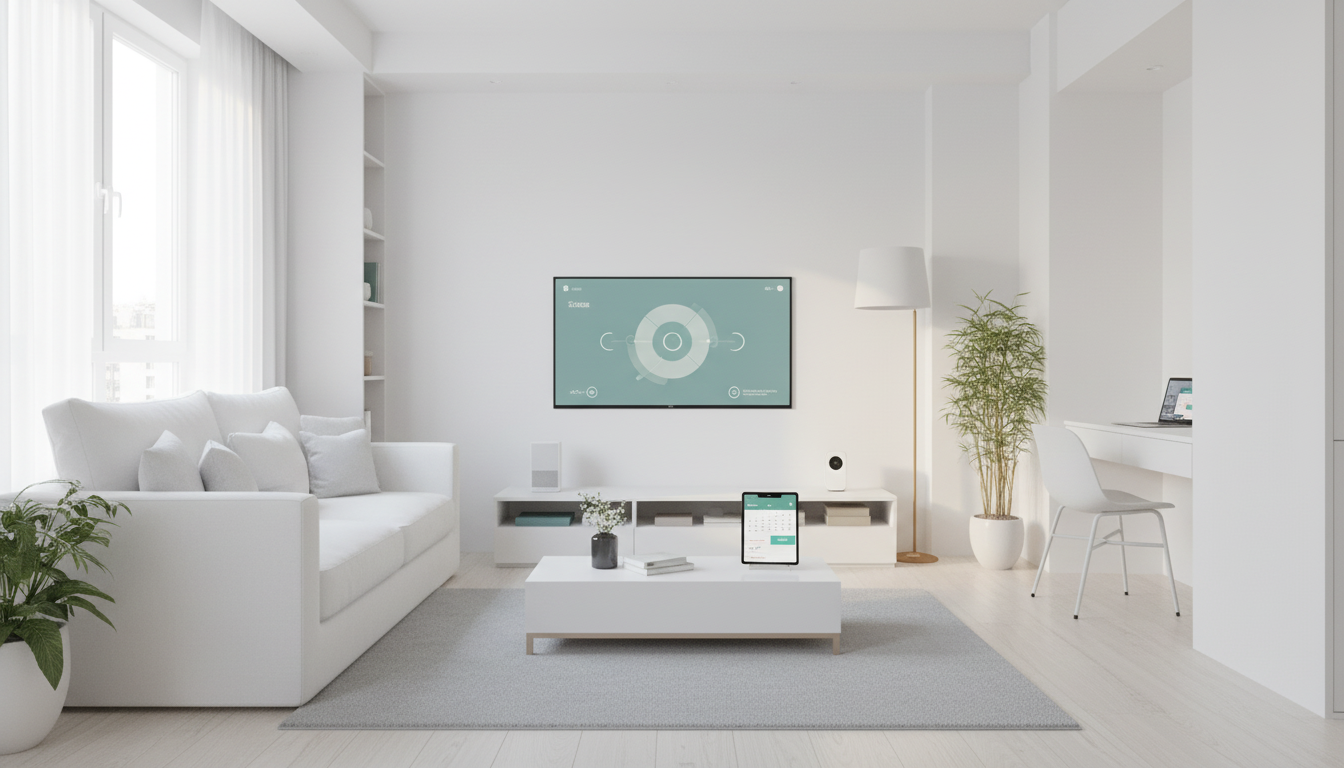
Living Large in Small Spaces: Smart Home Design for Limited Room
Small homes feel bigger when everyday tasks take fewer steps, storage works harder, and lighting and climate adapt automatically. The goal isn’t to pack your space with gadgets—it’s to remove friction: fewer cords on counters, fewer “where did I put that?” moments, and fewer dark corners that make a room feel cramped. With a simple zone plan and a handful of compact devices, a studio, tiny home, or small apartment can feel calmer, brighter, and easier to maintain without turning into a tech maze.
Start with a space audit that measures movement, not just square footage
Before buying anything, map how you actually live. Sketch your “daily paths” from the entry to keys/shoes, kitchen to dining, bed to bath, desk to storage. Mark where you sidestep furniture, where doors collide, and where you take extra steps just to complete a basic task.
Next, list the top five friction points that make the home feel smaller than it is. Common culprits include: nowhere to drop bags, a dark hallway, cords everywhere, laundry piles, and overheating at night. Then look for “dead zones” that can quietly do more work: behind doors, over-fridge space, under-bed clearance, and wall corners that can hold vertical storage or a motion sensor trigger.
To keep your plan focused, choose one primary goal per zone. For example: entry equals a reset station; kitchen equals clear counters; living area equals flexible seating; bedroom equals calm and dark. Finally, set boundaries for what stays visible (daily-use items) versus what gets hidden (rare-use items). Clear surfaces are the fastest way to make a small home feel larger.
Design by zones: entry, kitchen, living, sleep, and work
Entry zone: a two-minute reset
Use a narrow drop shelf, a few strong hooks, and one mail bin. Add a motion sensor with a smart bulb so the light turns on hands-free when you walk in with groceries. This removes the “clutter explosion” that starts at the front door.
Kitchen zone: protect counter space
Relocate bulky appliances into a cabinet or rolling cart and use smart plugs to control power safely—especially for devices you only need at certain times. Scheduling can reduce visual noise (fewer cords plugged in all day) while still keeping routines convenient.
Living zone: flexible furniture wins
Prioritize pieces that do double duty: ottoman storage, nesting tables, and wall-mounted lighting that frees up floor area. In small rooms, reclaimed floor space is often more valuable than added storage units.
Sleep zone: automate calm
Small bedrooms can feel instantly crowded when cables sprawl across nightstands. Consolidate into a single concealed charging station and build a wind-down routine that dims lights and adjusts temperature. For energy guidance on temperature control, the U.S. Department of Energy’s overview of thermostats is a helpful reference.
Work zone: a “start/stop” setup
Convert a closet corner or wall fold-down desk into a defined workspace. A smart button (or voice command) can toggle focus mode: brighter lights, a set sound level, and fewer distractions. The key is ending the workday by powering down and putting the zone back into “home” mode.
Pick smart devices that earn their footprint
Small spaces also amplify risk, so prioritize safety. Smart smoke/CO alerts, leak sensors under sinks, and properly rated smart plugs (used per manufacturer guidance) can prevent minor problems from becoming major disruptions—especially in shared buildings. For broader safety and compliance context, consult UL’s standards resources. For indoor comfort basics that matter more in tight layouts, the EPA’s guide to Indoor Air Quality (IAQ) is worth bookmarking.
Compact Smart Home Picks for Small Spaces
| Need | Best Compact Options | Placement Tip | Why It Helps in Limited Space |
|---|---|---|---|
| Hands-free lighting | Smart bulbs or LED strips + motion sensor | Entry, hallway, closet | Reduces switch-hunting and keeps surfaces clear |
| Clutter control | Smart speaker timers + reminders | Kitchen, entry | Creates routines that prevent pile-ups |
| Cable reduction | One charging station + smart plug schedule | Nightstand or desk corner | Cuts visible wires and prevents overcharging |
| Comfort | Smart thermostat (if supported) or smart fan plug schedule | Main room/bedroom | Better temperature control without extra devices |
| Peace of mind | Leak sensor + notification | Under sink, near washer | Catches small problems early in tight, shared buildings |
Layout tricks that make automation more effective
Simple routines that feel like extra space
Minimalist setup: reduce visual noise in every room
Common small-space smart home mistakes to avoid
A step-by-step plan for the first weekend
Day 1: clear surfaces and fix the worst friction
Day 2: build two routines and consolidate cables
Helpful downloads and extras (in stock)
- Living Large in Small Spaces | Smart Home Design Guide for Limited Space | Digital Download eBook for Small Apartments, Tiny Homes & Minimalist Living — Learn What to Do When Home Space Is Limited
- I’m Just Here for the Food Sueded T-Shirt – Funny Design T-Shirt – Best Print Sueded Tee
FAQ
What smart home upgrades make the biggest difference in a studio or small apartment?
Start with lighting automation (smart bulbs plus a motion sensor), a single charging station to reduce cable clutter, and one or two routines like Arrival and Wind-down. If possible, add safety alerts such as leak or smoke/CO notifications for extra peace of mind.
Can renters set up a smart home without drilling or permanent changes?
Yes—focus on plug-in devices, battery sensors, smart bulbs, and removable adhesive mounts. A portable setup is ideal so you can take it with you when you move.
How many devices are enough for a small-space smart home?
Usually 3–7 core items are plenty: a couple smart lights, one motion sensor, one speaker, and one or two smart plugs. Expand only after two weeks of stable, predictable use.











Leave a comment